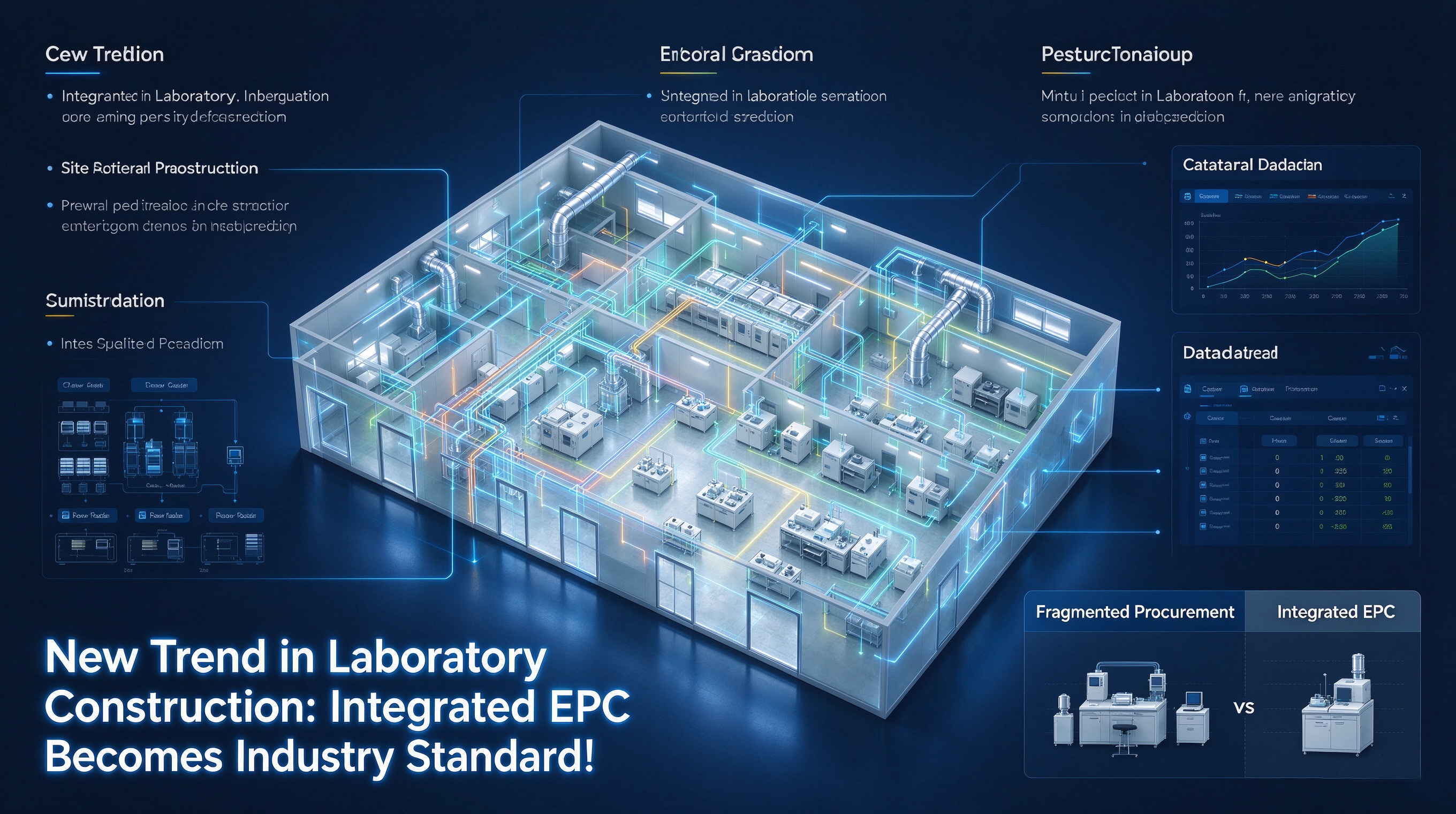
New Trend in Laboratory Construction: Integrated EPC Becomes Industry Standard!
Many laboratories encounter numerous setbacks and repeated rework from preparation to completion. Non-compliant ventilation systems require demolition and reinstallation, insufficient reserved space is found after equipment delivery, and digital management becomes a bottleneck even after passing acceptance…
In this article, we break down the core pain points of laboratory construction and explain why one-stop EPC general contracting has become the industry’s top choice.
1. What are the bottlenecks of the traditional construction model?
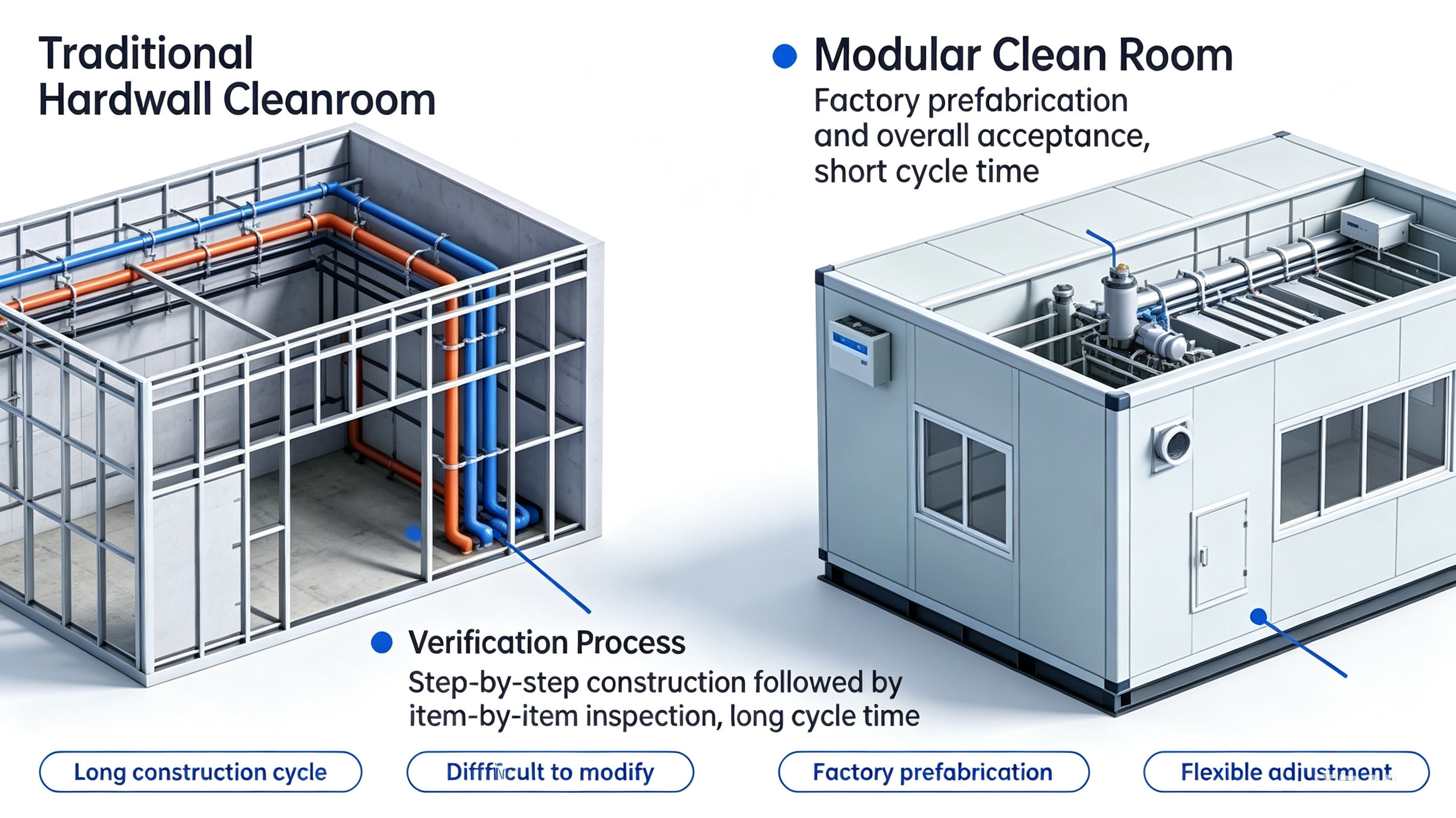
When building laboratories, many clients follow the habit of separate sourcing: hiring decoration companies for design, instrument distributors for equipment, dedicated vendors for system software, and consulting firms for certification. Although each party seems to perform its own duties, problems keep emerging.
Pain Point 1: Severe disconnection between design and practical operation
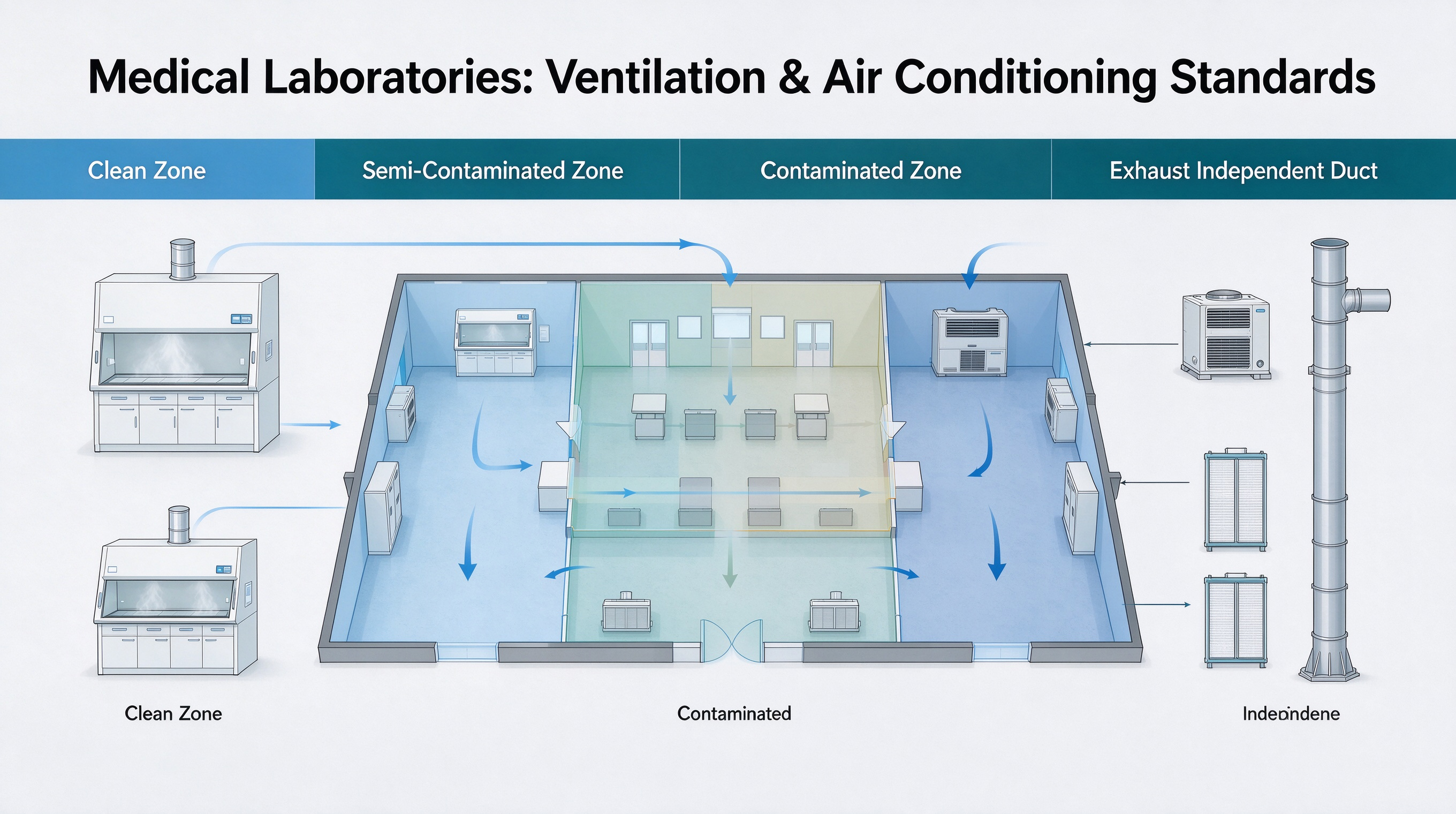
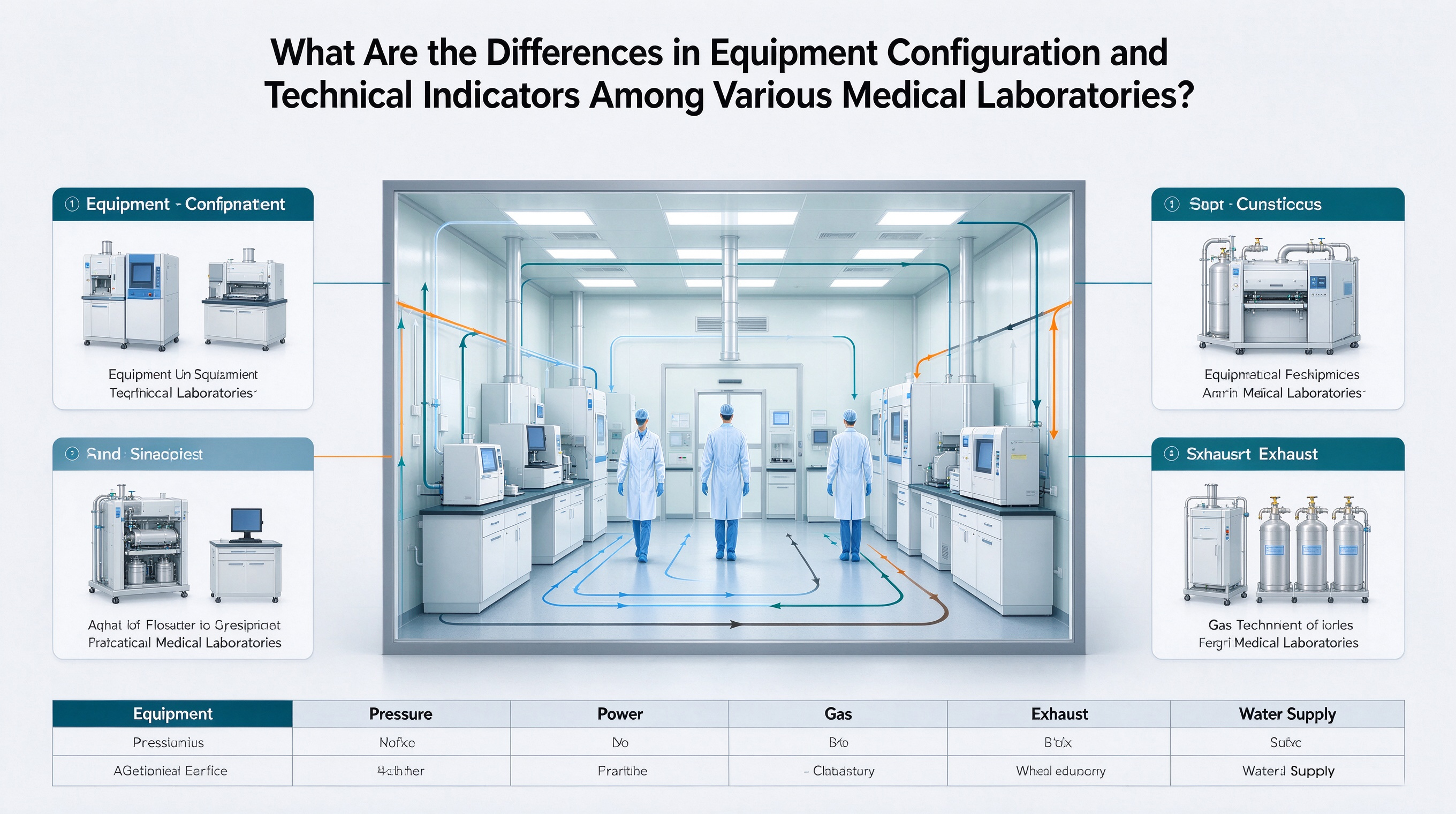
Ordinary decoration teams lack knowledge of special laboratory standards and safety codes. Wrong fume hood placement, non-standard workbench height, mismatched water & power points with equipment… All these force on-site adjustments and cause continuous project delays.
Worse still, after equipment arrives, insufficient space and messy pipeline layout hinder daily operation and bring severe safety risks.
Pain Point 2: Cost out-of-control caused by fragmented procurement
Fragmented procurement generates markup at every stage. Separate billing for equipment, consumables, engineering and software usually pushes total cost far above budget. Parties also shift blame when problems arise.
For industries with strict compliance requirements such as biopharmaceuticals, disease control and university research, this fragmented construction carries higher risks. A failure in any link may hinder CMA/CNAS certification and delay project commissioning.
Pain Point 3: Seriously lagging digital construction
Many labs meet hardware standards upon completion yet still use outdated management: handwritten sample records, memo-based equipment maintenance, and Excel for data statistics. This system is inefficient and error-prone. When clients plan to deploy LIMS, hardware incompatibility appears and costly reconstruction is required.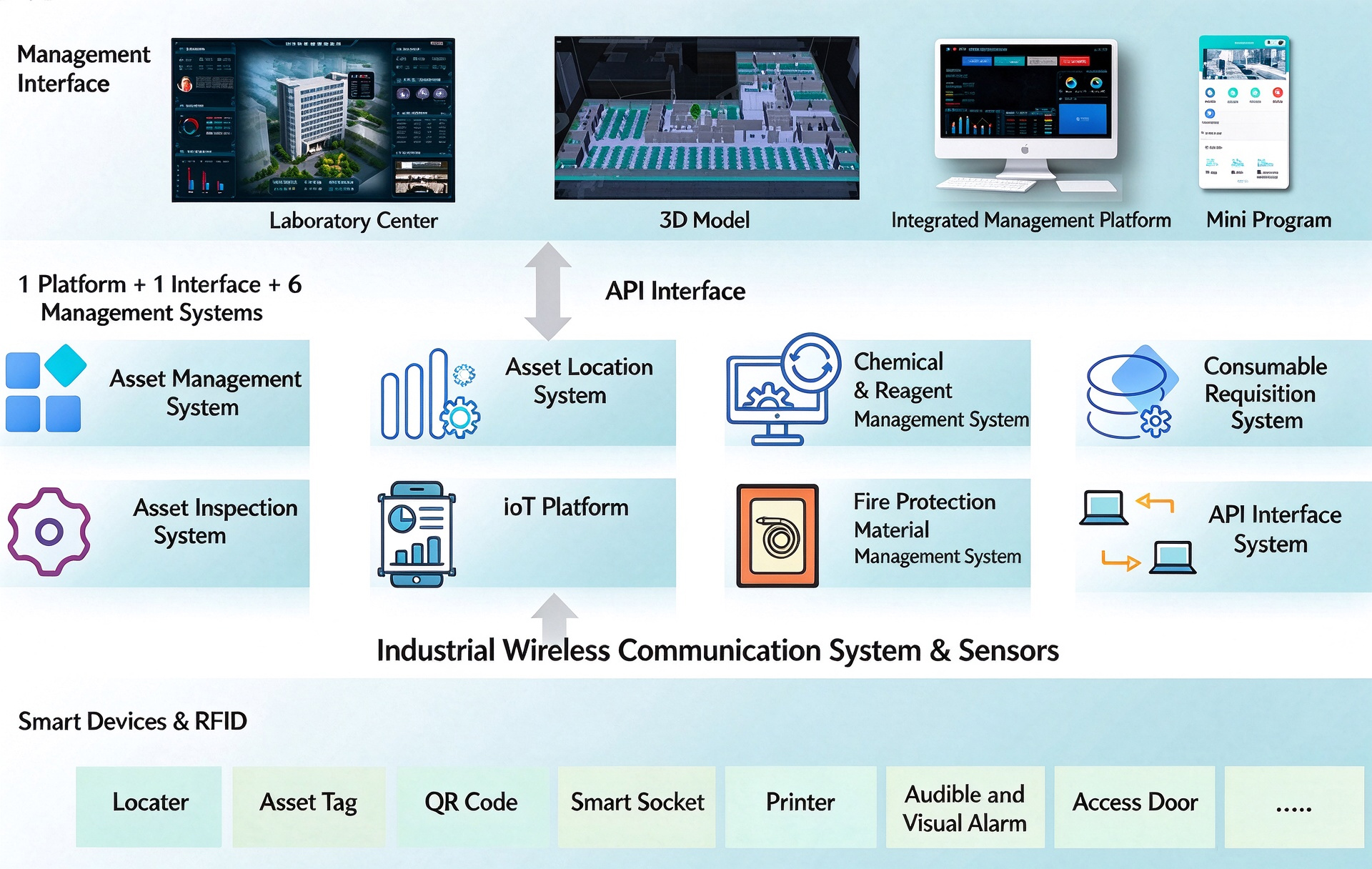
2. One-stop EPC: Widely recognized by the industry
EPC refers to full-service delivery by a single team covering survey & design, construction & renovation, equipment supply, installation & commissioning, certification consultation and after-operation maintenance. Unified standards and clear responsibilities bring less hassle and better cost-effectiveness than separated procurement.
A reliable EPC provider is far more than a package supplier. It is a composite team mastering engineering, equipment and compliance. Only full-value-chain capability can avoid pitfalls like “designers unfamiliar with equipment, constructors ignorant of specifications”.
Three Core Advantages of EPC Model
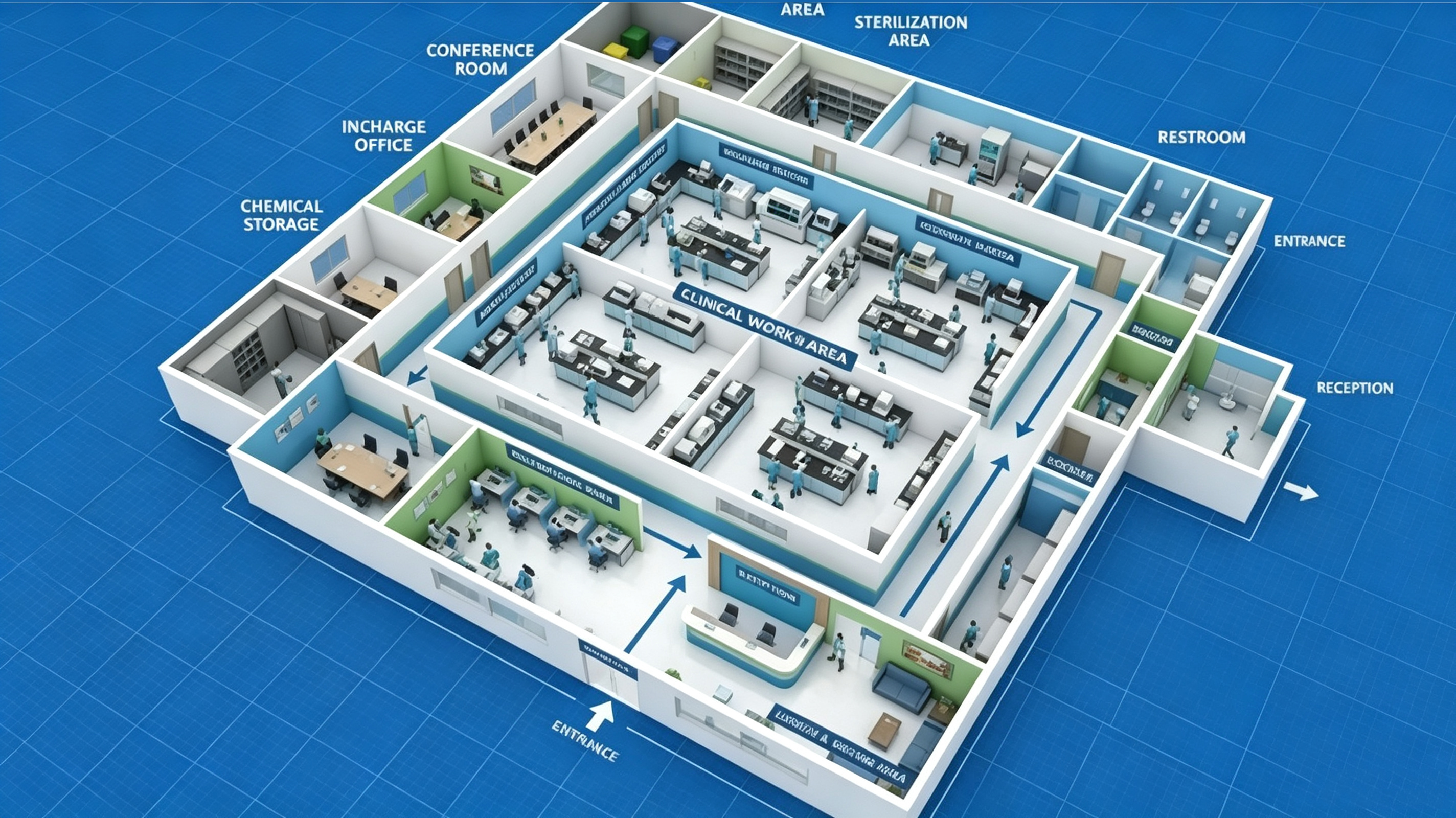
✅ Holistic planning to avoid rework from the start From project initiation, professional EPC providers comprehensively plan hardware layout, pipeline routing, ventilation systems and digital deployment. Space design is customized based on experimental workflows and equipment parameters to maximize space utilization.
✅ Controllable cost & high budget transparency Benefiting from supply chain integration, bulk procurement cuts equipment cost by 15%-20% compared with separate purchasing. Standardized construction ensures accurate budget and schedule control.
✅ Full-cycle support for less workload Professional teams handle the whole process from EIA and feasibility study to CMA/CNAS certification consultation. Clients do not need to research policies or manage complicated procedures personally.